
- dtlta-Kitchens
Starting a food truck business in a part time commercial kitchen
The “Dream It & Plan It” Stage

Before you spend a dime, you gotta get your ducks in a row.
- Nail Your Concept: What’s your food? LA has everything, so a unique, high-quality, and focused concept is key. Don’t try to be everything to everyone. Think: “Killer Birria Tacos,” “Gourmet Vegan Grilled Cheese,” or “Next-Level Belgian Waffles.” A small, tight menu is easier to execute in a small space and makes ordering faster.
- Brand It: Come up with a catchy name, a cool logo, and a vibe. Your truck’s wrap is your biggest billboard, so make it pop!
- The Business Plan: This doesn’t have to be a 100-page novel, but you need to figure out:
- Startup Costs: Truck, kitchen fees, permits, initial inventory, insurance.
- Pricing: How much will you charge to be profitable?
- Target Audience: Who are you selling to? Office workers on their lunch break? Late-night brewery crowds? Families at farmers’ markets?
Phase 2: The Two Big Pieces: Your Truck & Your Kitchen
These are your biggest investments and are tied together by LA County’s health regulations.
- Finding a Shared Kitchen (Commissary):
- Why you need one: The LA County Department of Public Health requires all food trucks to operate from a licensed commissary. This is your “base of operations.” You can’t just park the truck at your house.
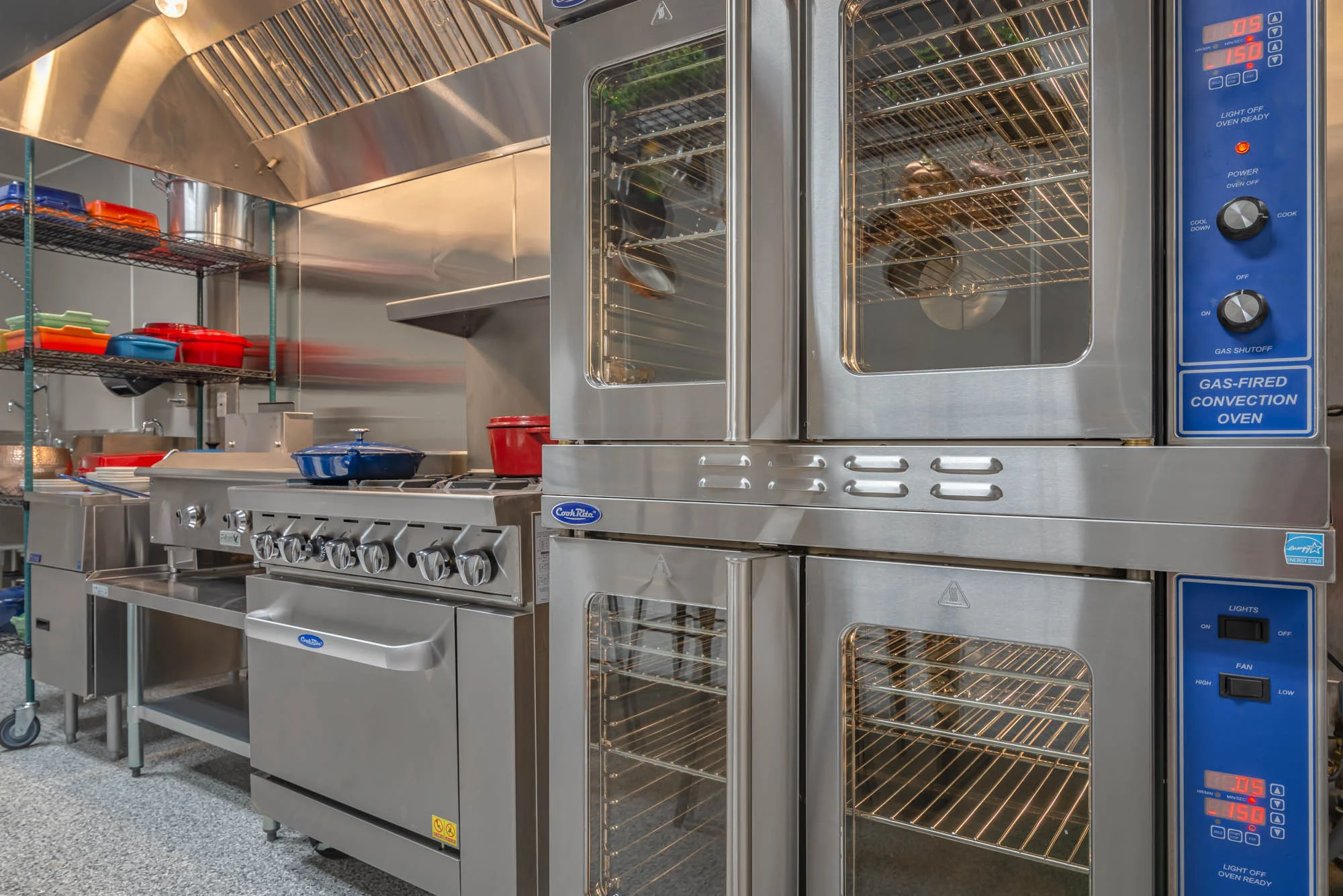
- What it’s for: Storing your food and supplies, all your major food prep, filling your water tanks, draining your wastewater, and cleaning your truck and wares.
- What to look for: Look for a place with 24/7 access, reasonable rates, and enough cold and dry storage for your needs. Its location is also important—you’ll be driving there every day.
- The Magic Document: You will need a “Commissary Letter of Agreement” from the kitchen. This signed document is mandatory for your health permit application. It proves you have a legal place to operate from.
- Getting Your Truck:
- Buy vs. Lease: You can buy a new or used truck, or sometimes lease one. Buying gives you total control, but leasing can be a lower-cost way to test the waters.
- LA County Health Code is KING: This is SUPER important. Your truck must be built to meet the specific requirements of the LA County Health Code. Don’t buy a truck from another state and assume it will pass here! It probably won’t.
- Plan Check: Before you buy or build, you’ll submit plans for your truck to the health department for “Plan Check.” They will review every detail, from the number of sinks (you need three for washing and one for hands!) to the type of flooring. Only after your plans are approved can you start building or modifying.
Phase 3: The LA Paperwork Gauntlet (It’s a marathon, not a sprint)
Get a big folder and get ready. LA is famous for its bureaucracy.
- Business Structure: Register your business as an LLC or Sole Proprietorship. An LLC is usually recommended to protect your personal assets.
- EIN: Get an Employer Identification Number from the IRS. It’s free and you’ll need it for almost everything.
- Seller’s Permit: You need this from the California Department of Tax and Fee Administration (CDTFA) to collect sales tax.
- LA County Health Permit: This is the big one. After your Plan Check is approved and your truck is ready, you’ll have an official inspection. You’ll need to bring your Commissary Letter, a proposed route sheet (where you plan to operate), and other forms. Once you pass, you get your Mobile Food Facility (MFF) Permit sticker.
- Business License(s): This is a tricky one. You need a business license in the city where your commissary is located. Then, technically, you may need a license for every other city you plan to vend in (e.g., Santa Monica, Pasadena, Burbank). This can be a real headache to track.
- Food Manager Certification: At least one person on the truck (usually the owner) must have a ServSafe Food Protection Manager Certification.
- Insurance: Get general liability insurance and commercial auto insurance. Most event organizers and commissaries will require you to show proof.
Phase 4: Time to Hit the Road!
You’ve got the truck, the permits, the kitchen—now the real fun begins!
- Finding Spots: This is the million-dollar question.
- Public Streets: Very restrictive in LA. You have to be aware of parking rules, time limits, and distance from brick-and-mortar restaurants. It’s tough.
- Private Lots & Events: This is where most trucks thrive. Think breweries, office park lunches, farmers’ markets, concerts, and food truck festivals. You’ll often have to pay a fee or a percentage of sales, but you get a captive audience.
- Social Media is Your Best Friend: Your location can change daily. Instagram, X (formerly Twitter), and Facebook are essential for telling your followers where you’ll be and what you’re serving. Post drool-worthy pictures!
- Point-of-Sale (POS) System: Get a system like Square or Clover that can handle credit cards on the go.
Get in touch
